Unattended Death Cleanup
Cleanup after an undiscovered death includes odor control and the effects of days of decomposition.
See unattended death cleanupGet decomposition fluids, affected flooring, furnishings and odor treated with care in Greenpoint. Source removal comes first because air treatment alone cannot correct absorbed contamination.
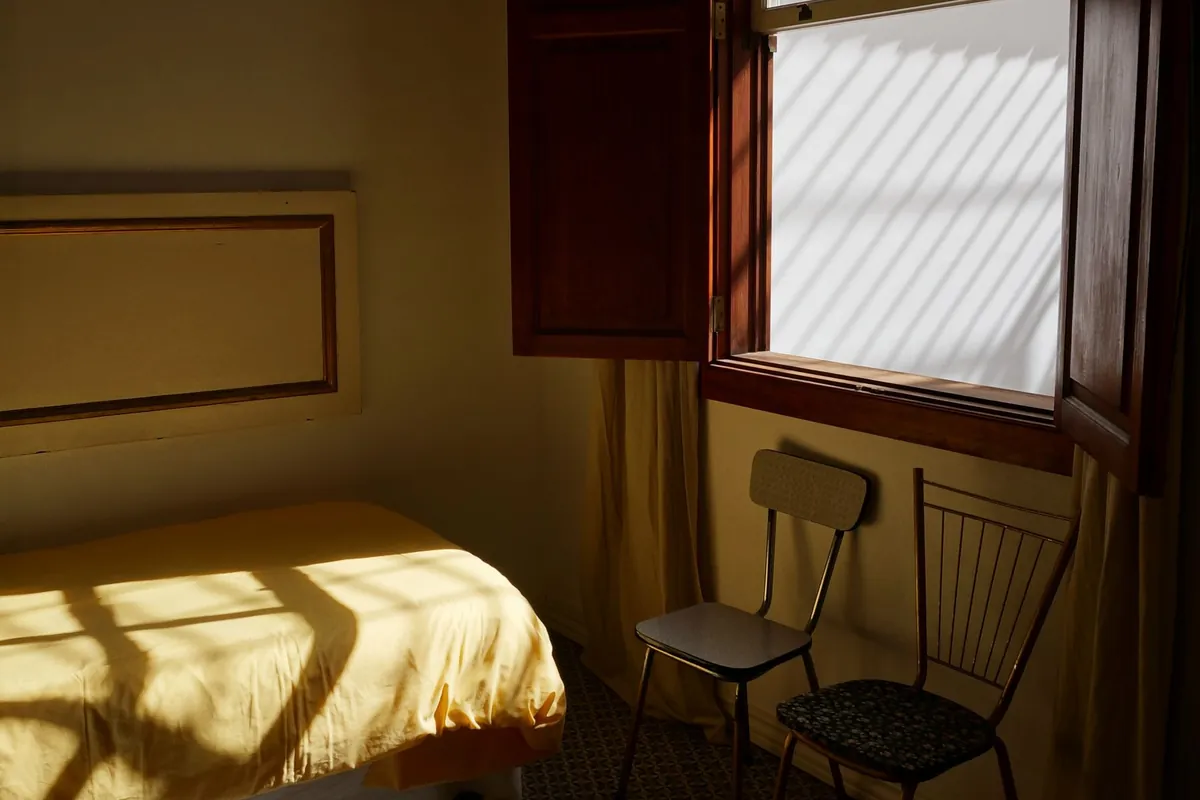
Decomposition cleanup carefully takes away residue, fluids and affected porous materials following a death. Remaining odor is then treated after the area has been cleaned and disinfected.
Cleanup may become necessary if a person is not discovered soon and fluids reach furnishings, the floor or the structure underneath. Before any cleaning, police, the medical examiner and emergency personnel complete their work. The property must then be released to you or its responsible party.
In practice, decomposition cleanup involves work beyond a stain on the surface. A fluid path can extend beneath baseboards, into subfloor, along seams of sheet flooring and through carpet or its pad. Careful assessment maps that reach. Cleanable materials are kept whenever possible. Items that cannot be fully treated must be taken out, securely sealed and managed according to the waste rules that apply.
Photos, an itemized scope and waste records can help insurance companies and restoration services understand what was left behind so you can move forward.
When safe sorting is possible, photos, documents and treasured items from loved ones are set aside for your decisions.
Calls are answered day and night, and crews arrive in unmarked vehicles to protect your privacy during a sensitive time.
You receive details ahead of the work about material retention, needed removal and the purpose of every scope step.
Ordinary cleaning at home cannot address every material affected by fluids or odor after a death. That is when decomposition cleaning services may be necessary. Common situations include:
Odor remains after the room is emptied because affected material is still present below a floor, behind trim or in another hidden area.
Contamination, odor or unseen damage can affect the area beneath flooring, carpet, a bed frame or a mattress.
Fluid can travel to a shared wall, the floor assembly or a space below, making boundary checks important.
Surface cleaning may not be enough for unfinished wood, upholstered material or cushions that absorbed fluid deeply.
Protect yourself, surrounding areas and clear records before anyone disturbs the affected room. These first steps also make the assessment easier:
Call (888) 351-0904There is no dedicated decomposition-cleanup range in the available cost source. The closest published guide covers unattended death cleanup, which often includes decomposition fluids and odor. Its ranges run from $1,500 to $5,000 for early discovery, $3,000 to $8,000 when found within about 72 hours, $8,000 to $18,000 after one to two weeks and $15,000 to $35,000 after three weeks or more. Your actual price depends on the assessed scope.
These ranges come from published national cost guides, not from a site visit. An on-site assessment determines your property's price, which is explained to you before the cleanup starts.
Ask about cost: (888) 351-0904Decomposition cleanup may qualify for coverage under renters, commercial property or homeowners insurance if the death is a covered loss. The insurance company decides by applying the policy terms, deductible and circumstances.
For rentals, property owners often organize the work, while circumstances and insurance terms establish responsibility for the final cost.
Homeowners or renters insurance, the estate or the property owner usually pays for this kind of cleanup. The New York crime victim compensation program helps only when a crime caused the loss.
When conditions allow safe waiting, find out what documentation the adjuster wants before removal begins. The claim decision may be supported by photographs, detailed work scope and waste documentation.
Contact the claims number once you become aware of the loss. Find out if cleanup, personal property, affected building material and later repairs have coverage under distinct policy provisions.
The entire process uses a controlled order to locate hidden impact before cleaning and odor work start. Cleanup technicians consider privacy and your personal belongings at every step.
The affected room, nearby areas and any space below are examined. Flooring type, wall edges, furniture and air movement help define the work area.
Barriers divide the cleanup zone from unaffected spaces. When conditions require it, the crew uses personal protective equipment and controls air movement.
After visible material is gathered, porous layers are opened cautiously to establish the contamination's complete depth and path.
Crews remove sections of subfloor, drywall, unfinished wood, upholstery, pad or carpet if in-place treatment cannot fully reach them.
Cleaning comes first on remaining solid surfaces, followed by an EPA-registered disinfectant used for its labeled contact time.
Treatment of the air and retained surfaces begins once source material is removed. Equipment is selected for the room and used under its operating directions.
Affected waste is placed in suitable sealed containers and prepared for transport and disposal under the rules that apply to the location.
For the property owner, insurer, restoration contractor or you, the final scope may be compiled with project photos and disposal records.
Call any hour. You speak with a decomposition cleanup specialist who outlines the process and schedules a start time with you.
Do not enter or try to clean a space containing decomposition fluids. Contamination may be hidden, present serious health risks and make removal of some building materials necessary.
Fluid may move through carpet, flooring seams, baseboard gaps and furniture. A surface-only cleaning may miss contaminated material beneath the top layer.
Never place contaminated materials with ordinary household garbage. Based on contents and governing requirements, they might need hazardous materials packaging plus controlled management.
Blood and bodily fluids can carry pathogens. The CDC reports that surface survival for hepatitis B is at least seven days, so even dry residue needs careful treatment.
Can you clean it yourself? Decomposition cleanup is not the same as wiping up a small household spill. Keep the space shut and request professional assessment when a death leaves fluids, residue or lasting odor. Do not lift carpet or move an affected mattress, and never check the depth with bare hands.
Affected materials may remain if every impacted surface can be reached, cleaned and disinfected. Removal is generally needed when contamination has soaked in deeply.
Decomposition cleanup may take one day for a limited, accessible area or several days when fluids reached flooring, walls, furniture or rooms below. The time cannot be set accurately until the full affected boundary is assessed.
| Scene | Typical time on site |
|---|---|
| Limited area on accessible materials | Often about one day after assessment |
| Porous materials taken out of one room | Frequently takes one to three working days |
| Structural impact or multiple affected areas | May last several days with restoration work afterward |
Effective decomposition odor removal begins by locating the source and taking it out. Surface sprays, paint and fragrance cannot resolve fluid absorbed into upholstered furniture, unfinished wood or the area under flooring. Odor that comes back after ventilation may point to another impacted material or travel path that requires attention.
Once contaminated material is gone, remaining surfaces are cleaned and disinfected. HEPA-filtered air equipment, controlled ventilation or other odor-treatment equipment may then be used for the specific space. HVAC returns, wall gaps and connected rooms may be checked when odor has traveled. Rebuilding starts only after cleanup and odor work are complete.
The full decomposition cleanup guide covers what is cleaned or removed, odor and air quality work, and the rules that apply in your state.
Read the full decomposition cleanup guideLocal housing, population and access details can shape containment, access and cleanup planning.
At roughly 1.6 miles away, Woodhull Medical & Mental Health Center is the closest listed hospital for urgent care after a cut, puncture, or exposure.
Greenpoint is near Williamsburg, Greenpoint Landing, and Brooklyn Navy Yard, which can matter when family members are arriving from surrounding communities.
Neighborhood level directions help narrow the location, but crews still need entrance details before bringing containment and cleaning equipment inside.
Ask on the call about cleanup options for neighboring communities and ZIP codes.
Cleanup after an undiscovered death includes odor control and the effects of days of decomposition.
See unattended death cleanup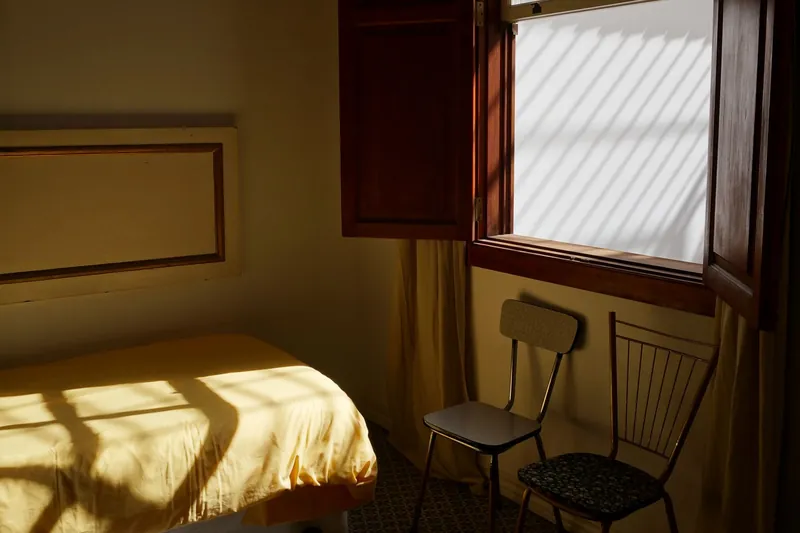
Home cleaning following a death includes affected possessions as well as fluid and odor cleanup.
See death cleanup
Careful work in the family home follows when a death is discovered quickly.
See attended death cleanup
At the source, death odor removal uses air scrubbers plus hydroxyl and ozone treatment.
See death odor removal
A contaminated space is restored to safe use through biological remediation and contaminant removal.
See biohazard remediation
Investigation residue, tissue and fingerprint powder are addressed along with forensic cleaning of blood.
See forensic cleaning
Carpet, solid floors, walls and furnishings receive blood cleanup that includes safe disposal.
See blood cleanup
An estate cleanout after someone dies covers careful sorting and safe removal of belongings.
See estate cleanout after a deathOdor alone does not show the type or amount of exposure, but a room with decomposition odor may also contain fluids and affected porous materials. Smell cannot determine if a space is safe. Keep people and pets out, avoid disturbing the area and arrange an assessment of the source and surrounding materials.
The location of the affected area, options for containing it and required equipment determine if staying elsewhere in the home is possible. You need to keep out of the contained work space. The property may need to remain vacant because of its condition or the odor treatment used. Follow the site instructions and the operating directions for any treatment equipment.
Removal is needed if fluid penetrated beyond the depth that cleaning and disinfection can fully reach. Common examples include carpet, pad, mattresses, upholstery, unfinished wood, drywall, trim and sections of subfloor. When condition permits, reachable non-absorbent materials such as glass, metal and sealed tile can be cleaned and retained.
About one day may be enough following evaluation when the affected area is limited and accessible. Removing carpet, furniture or subfloor from one room may take one to three working days, while structural impact can take longer. The return to normal use also depends on drying time, odor work, insurance decisions and restoration afterward.
After a death, decomposition cleaning removes residue, bodily fluids and affected porous materials. Once the odor source is removed, accessible surfaces that remain receive cleaning and disinfection before odor treatment. The work can include carpet, pad, subfloor, drywall, furniture and nearby belongings, depending on how far fluids traveled.
Bring in a biohazard cleanup team to assess any space with decomposition residue, fluids or lingering odor. You should not move an affected mattress, pull up flooring or disturb residue yourself. Those actions can spread contamination into clean spaces and expose you to materials that require controlled packaging and disposal.
Respectful, discreet decomposition cleanup is available 24 hours a day, and crews arrive in unmarked vehicles.